 Serving NC, SC, VA & GA — 26 Years of Experience, Comprehensive Maintenance Services, Multi-Location Support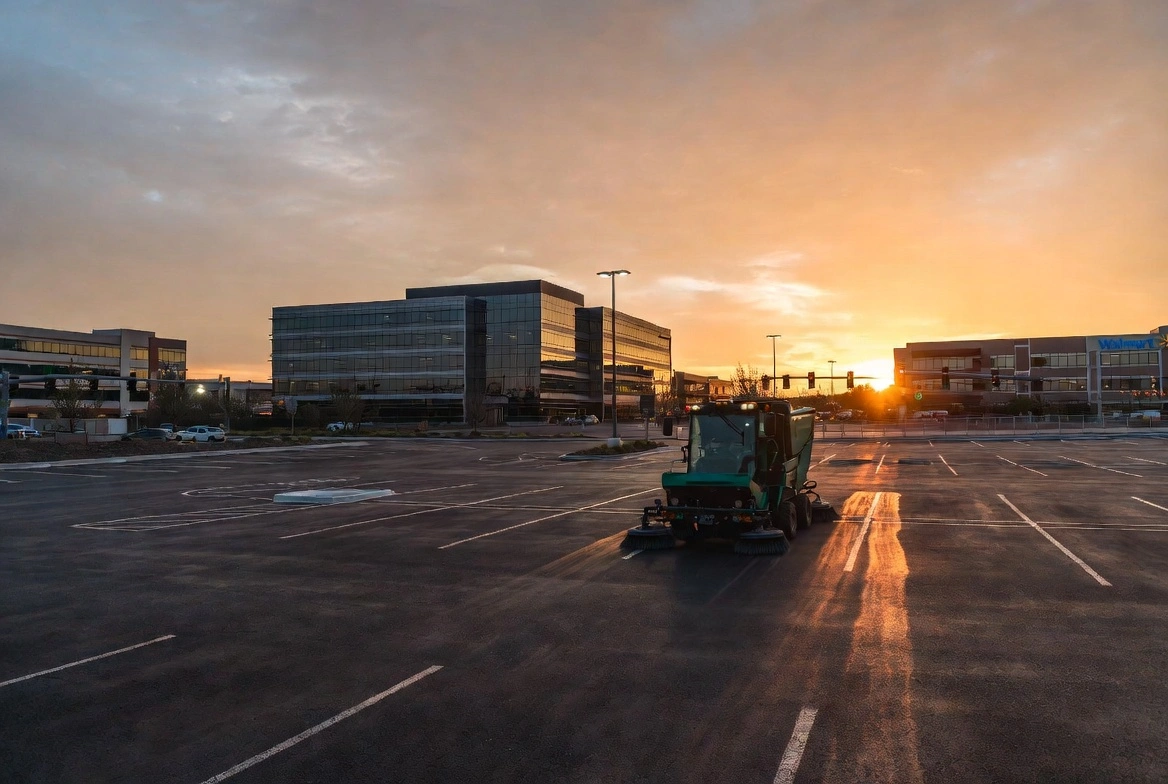
That moment when a prospective tenant walks your property and the first thing they see is a parking lot littered with debris, oil stains, and last month’s fast-food wrappers? You’ve just lost them before they even see your beautiful lobby renovations.
After 25+ years maintaining commercial properties across NC, SC, VA, and GA, Carolina Sweepers watched property managers learn this lesson the expensive way. Regular parking lot sweeping isn’t just about appearances — it’s one of the smartest financial decisions you can make for your property. Here’s why the math works in your favor, and why skipping it costs you far more than you’d save.
Table of Contents
- The Real Cost of Deferred Maintenance
- Tenant Retention: The Hidden ROI of Clean Parking
- Bundle Savings: Maximizing Efficiency Through Service Integration
- Regional Considerations: Southeast-Specific Cost Factors
- Calculating Your Actual ROI
- Implementation Strategy: Getting Started
- Making the Business Case
- Your Next Steps
The Real Cost of Deferred Maintenance
Asphalt Deterioration: Death by a Thousand Cuts
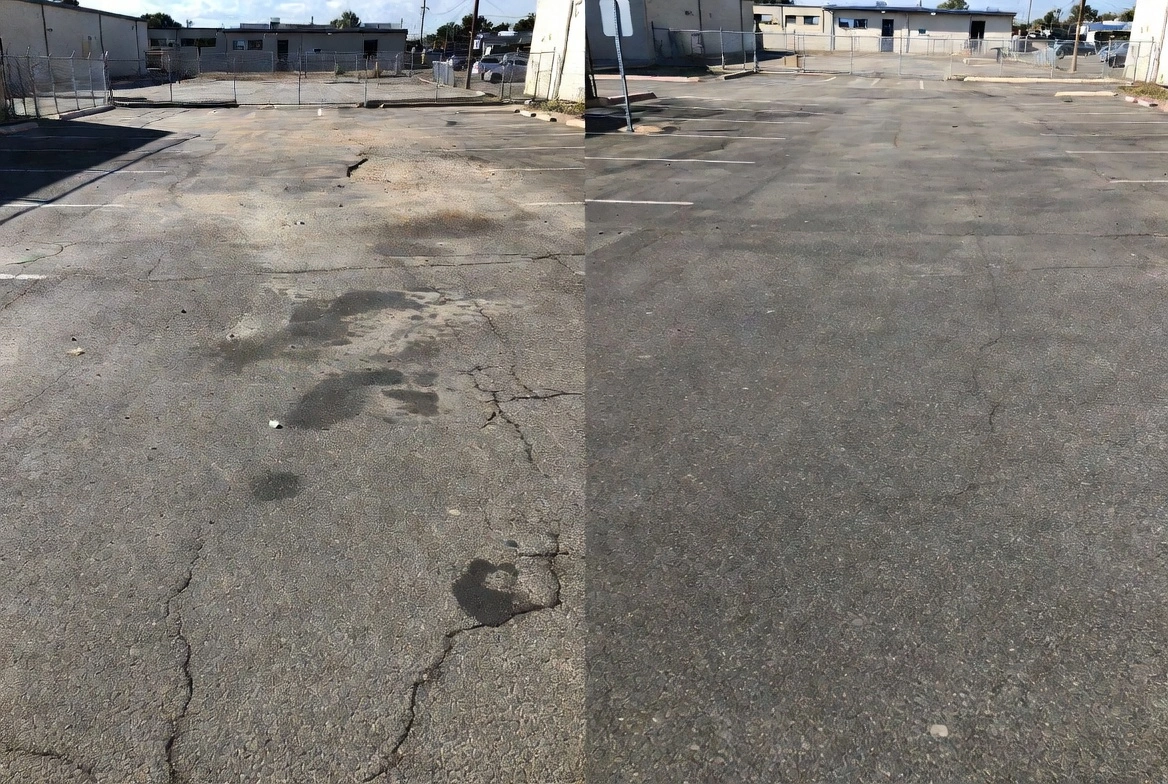
Your parking lot is under constant attack. Sand, salt from winter storms, oil drippings, organic debris — it all acts like sandpaper on your asphalt surface. Left sitting for weeks, these contaminants don’t just blow away. They grind into the surface, breaking down the binder that holds your pavement together.
A commercial parking lot that gets swept monthly can last 20-25 years. Skip regular sweeping, and you’re looking at resurfacing in 15 years or less. On a typical 50,000 square foot shopping center lot, that’s the difference between a $175,000 replacement cost hitting in year 15 versus year 22. The seven-year extension pays for decades of sweeping services.
We see this pattern repeatedly across the Triangle and Charlotte metro. Property managers who treat sweeping as optional maintenance end up treating asphalt replacement as emergency capital expenditure.
Drainage System Failures: When Small Problems Become Big Bills
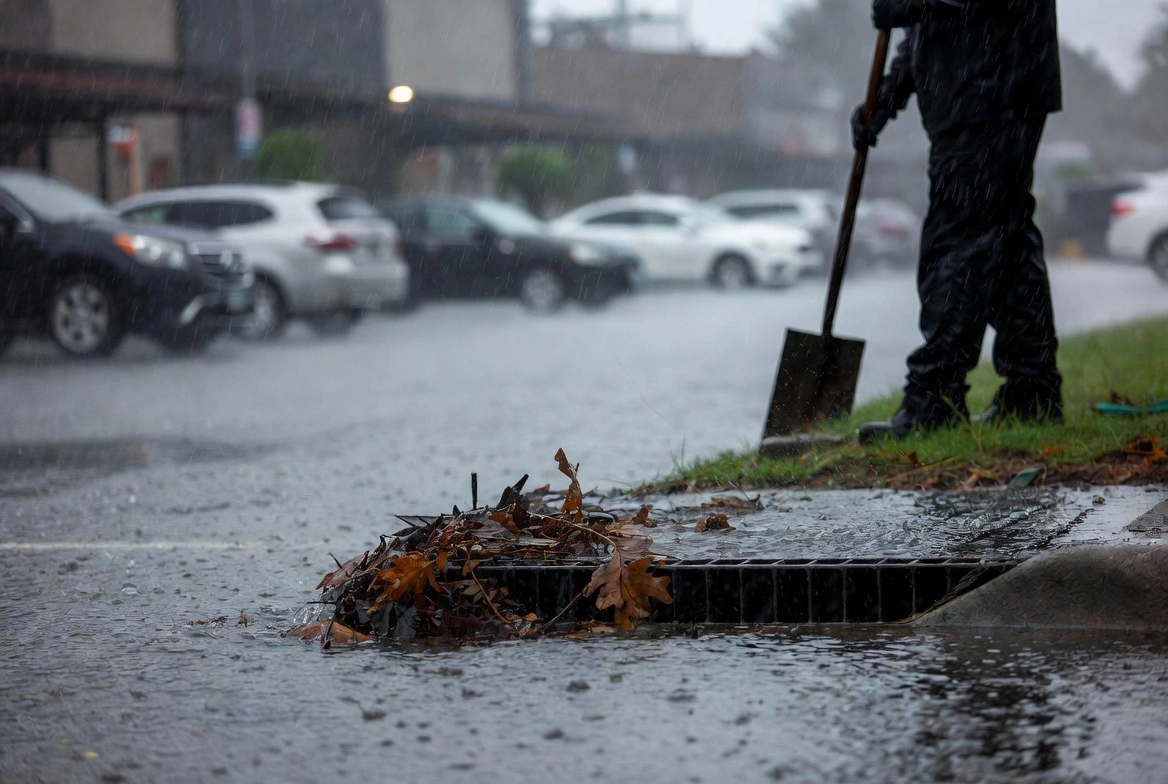
Here’s what happens when debris accumulates around storm drains: that innocent-looking pile of leaves and trash becomes a dam during the next heavy rain. Water backs up, pools in low areas, and starts seeping into asphalt cracks you didn’t even know existed.
In our four-state service area, we’re dealing with increasingly unpredictable weather patterns. A summer thunderstorm in Charlotte can drop three inches in an hour. If your drainage system is compromised by debris buildup, you’re not just facing water damage — you’re potentially looking at stormwater compliance violations.
EPA fines for stormwater violations start at $2,500 per day and can escalate quickly. Regular sweeping keeps your drainage clear and your property compliant. It’s significantly cheaper than explaining to corporate why you’re facing federal penalties.
Tenant Retention: The Hidden ROI of Clean Parking
First Impressions Drive Lease Decisions

Your parking lot is your property’s front door. Retail tenants know their customers make split-second decisions about whether to stop or keep driving. Office tenants want their employees and clients to feel good about coming to work. Industrial tenants need functional, professional-looking facilities for their operations.
A consistently clean parking lot signals professional management. Tenants assume — correctly — that a property manager who maintains the exterior will respond promptly to HVAC issues, plumbing problems, and other operational needs.
We’ve tracked this pattern across hundreds of properties. Clean, well-maintained parking lots correlate with higher occupancy rates and longer tenant retention. The property manager who spends $200 monthly on sweeping keeps tenants who pay $15,000 monthly in rent.
Reducing Liability Exposure
Debris in parking lots creates liability risks that extend far beyond aesthetics. Glass, metal, construction materials — all of it poses hazards to vehicles and pedestrians. A customer trips over debris in your parking lot, or a delivery truck gets a flat tire from something that should have been swept up weeks ago? Your insurance carrier will want to know about your maintenance protocols.
Regular sweeping creates documentation of proactive maintenance. It shows you’re taking reasonable steps to maintain safe conditions. That documentation becomes valuable if you ever face liability claims.
Bundle Savings: Maximizing Efficiency Through Service Integration
The Single-Source Advantage
Here’s where the math really starts working in your favor. At Carolina Sweepers, parking lot sweeping is one of 17 services we provide. Property managers who bundle sweeping with pressure washing, striping, snow removal, and other maintenance services typically see 20-30% cost reductions compared to managing separate vendor contracts.
Why does bundling save money? Efficiency. Our crews know your property, understand your specific needs, and can coordinate multiple services during single site visits. Instead of paying five different vendors for mobilization, travel time, and site setup, you’re paying once for comprehensive service.
Preventive Maintenance Scheduling
Regular sweeping lets us spot problems before they become expensive repairs. Our crews notice when striping is fading, when small asphalt cracks are developing, when drainage issues are starting. Catching these problems early — while we’re already on-site for routine sweeping — saves you emergency service calls and expensive reactive maintenance.
A crack seal that costs $150 to address during routine maintenance becomes a $3,000 pothole repair if left untreated through a winter freeze-thaw cycle. Our sweeping crews serve as your early warning system.
Regional Considerations: Southeast-Specific Cost Factors
Pollen Season Impact
If you manage property in the Carolinas, you know April and May bring pollen loads that can make your parking lot look like it’s been dusted with yellow flour. Pollen isn’t just unsightly — it’s acidic and can stain asphalt surfaces if left sitting. Plus, customers and tenants genuinely avoid properties that look abandoned during pollen season.
Regular sweeping during peak pollen months protects your surface and maintains professional appearance when it matters most. Skipping sweeping from April through June to save money? You’ll lose more in missed leasing opportunities than you’ll save in sweeping costs.
Hurricane and Storm Debris
Southeast properties face seasonal storm debris that ranges from minor branches to major cleanup operations. Regular sweeping keeps your property ready for storm season and ensures rapid cleanup afterward.
We’ve seen property managers scramble after storms, paying emergency cleanup rates because they didn’t have maintenance relationships in place. Having ongoing sweeping service means you have a crew who knows your property and can respond immediately when weather events create debris emergencies.
Calculating Your Actual ROI
Monthly Investment vs. Annual Savings
For a typical 30,000 square foot commercial property, professional sweeping runs $150-250 monthly depending on frequency and site conditions. That’s $1,800-3,000 annually.
Compare that to the costs you’re avoiding:
- Premature asphalt replacement: Extending pavement life by 5-7 years saves $75,000-150,000
- Emergency drainage repairs: Preventing one major backup saves $5,000-15,000
- Tenant turnover: Keeping one good tenant an extra year saves $10,000-50,000 in leasing costs
- Liability claims: Avoiding one slip-and-fall settlement saves $25,000-100,000+
The ROI calculation isn’t close. Regular sweeping pays for itself many times over.
Frequency Optimization
The right sweeping frequency depends on your property type, traffic levels, and surrounding environment. Retail centers near restaurants need more frequent service than office parks. Properties near construction zones require additional attention.
Working with an experienced contractor helps you optimize frequency for maximum cost-effectiveness. Over-sweeping wastes money. Under-sweeping creates the problems we’ve discussed. Finding the right balance requires local knowledge and ongoing property assessment.
Implementation Strategy: Getting Started
Seasonal Planning
In the Southeast, sweeping needs vary dramatically by season. Spring requires aggressive pollen and storm debris removal. Summer focuses on maintaining appearance during peak leasing season. Fall brings leaf management. Winter means storm preparation and salt/sand cleanup.
A good sweeping contractor helps you plan annual service calendars that address seasonal priorities while maintaining consistent baseline cleanliness.
Service Integration Opportunities
Look for opportunities to coordinate sweeping with other maintenance activities. Schedule pressure washing after sweeping for maximum effectiveness. Coordinate striping projects with sweeping to ensure clean surfaces for paint application. Plan landscaping and sweeping together to address organic debris efficiently.
These coordinated approaches reduce total maintenance costs while improving results.
Making the Business Case
Documentation and Reporting
Professional sweeping contractors provide service documentation that helps you track maintenance activities and demonstrate proactive management to tenants, ownership groups, and insurance carriers.
Before-and-after photos, service logs, and problem identification reports all contribute to your property’s maintenance history. This documentation becomes valuable for budget planning, insurance renewals, and tenant relations.
Budget Allocation
Position sweeping as preventive maintenance, not optional appearance enhancement. Include it in your base operating budget alongside HVAC maintenance, plumbing service, and other essential building systems.
Treating sweeping as discretionary expense that gets cut during tight budget periods guarantees larger problems later. Treating it as essential maintenance prevents those larger problems from developing.
Your Next Steps
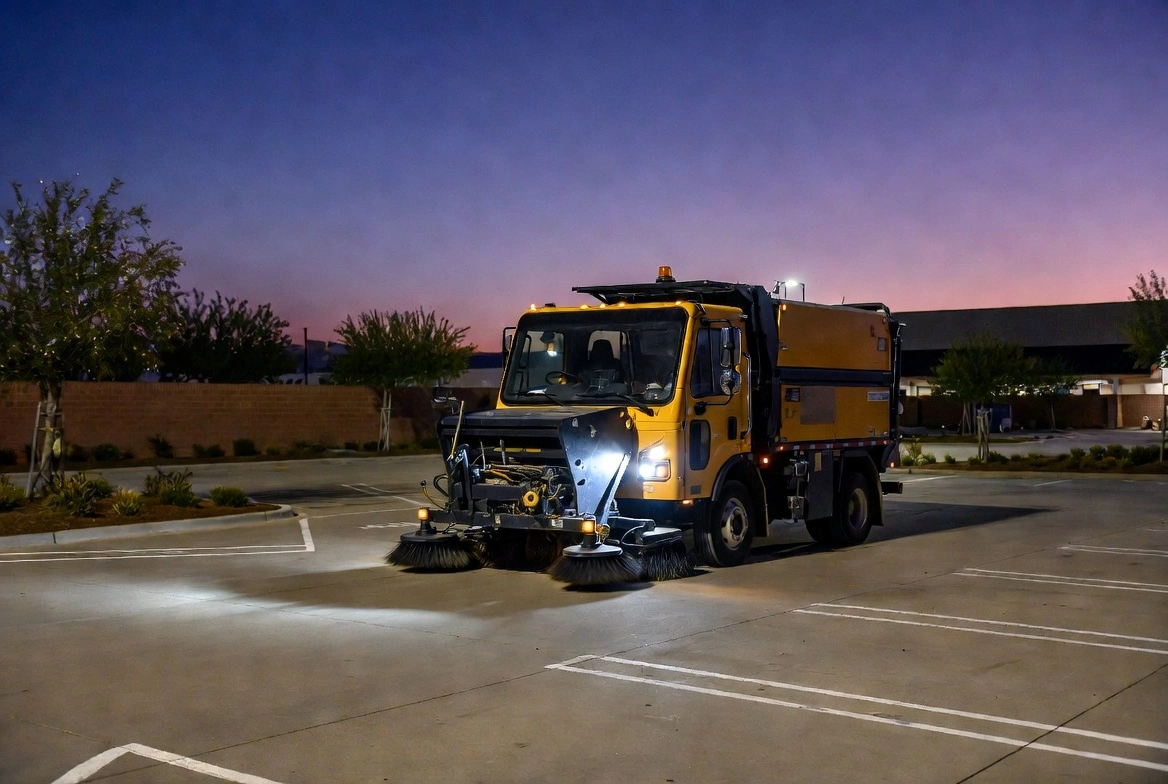
Regular parking lot sweeping isn’t just about keeping up appearances — it’s about protecting your investment, retaining tenants, and avoiding expensive problems before they develop. The property managers who understand this connection are the ones whose properties consistently outperform their markets.
Ready to explore how professional sweeping can improve your property’s financial performance? Give us a call at (919) 481-9003, reach out at info@carolinasweepers.com or contact us directly via the Contact form. We’ll assess your property’s specific needs and show you exactly how regular maintenance translates to long-term savings.
Because in property management, the most expensive maintenance is the maintenance you skip.
No Comments yet!