 Serving NC, SC, VA & GA — 25 Years of Experience, Comprehensive Maintenance Services, Multi-Location Support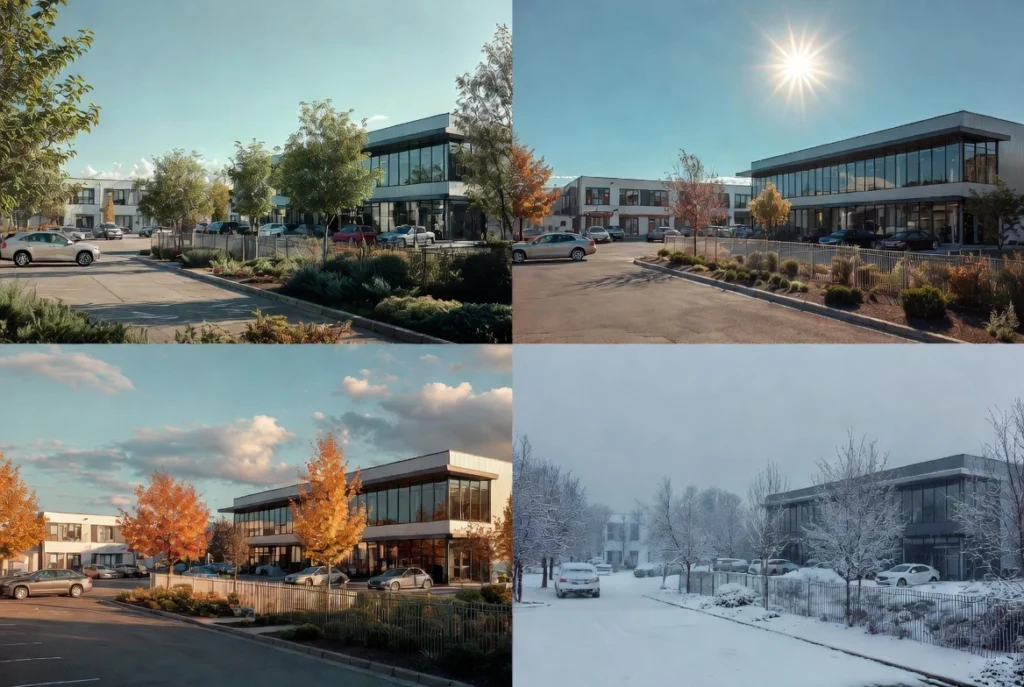
A well-maintained commercial property protects your investment, keeps tenants happy, and avoids costly emergency repairs. This comprehensive seasonal checklist helps Charlotte and Carolinas property managers stay ahead of maintenance needs throughout the year.
As a property manager, you know that reactive maintenance is expensive maintenance. Waiting until something breaks often costs 3-5x more than preventive care. That’s why the most successful commercial property managers follow a seasonal maintenance schedule.
We’ve compiled this checklist based on 25+ years of maintaining commercial properties across North Carolina, South Carolina, Virginia, and Georgia. Use it to plan your maintenance calendar, budget for services, and keep your properties in top condition year-round.
Table of Contents
- Why Seasonal Maintenance Matters
- Spring Maintenance Checklist (March – May)
- Summer Maintenance Checklist (June – August)
- Fall Maintenance Checklist (September – November)
- Winter Maintenance Checklist (December – February)
- Annual Maintenance Tasks
- Creating Your Maintenance Calendar
- The Cost of Deferred Maintenance
- Key Takeaways
Why Seasonal Maintenance Matters
Every season brings different challenges to commercial properties. Charlotte’s humid summers can damage HVAC systems. Winter ice storms can crack parking lots. Spring pollen covers everything. Fall leaves clog drains and gutters.
By addressing these challenges proactively, you can:
- Extend asset life – Regular care adds years to parking surfaces, HVAC systems, and building components
- Reduce emergency calls – Catch problems before they become urgent (and expensive)
- Maintain curb appeal – First impressions matter for tenant retention and attracting new businesses
- Stay compliant – Meet Charlotte-Mecklenburg stormwater requirements and ADA standards
- Control costs – Predictable maintenance budgets vs. surprise repairs
Spring Maintenance Checklist (March – May)
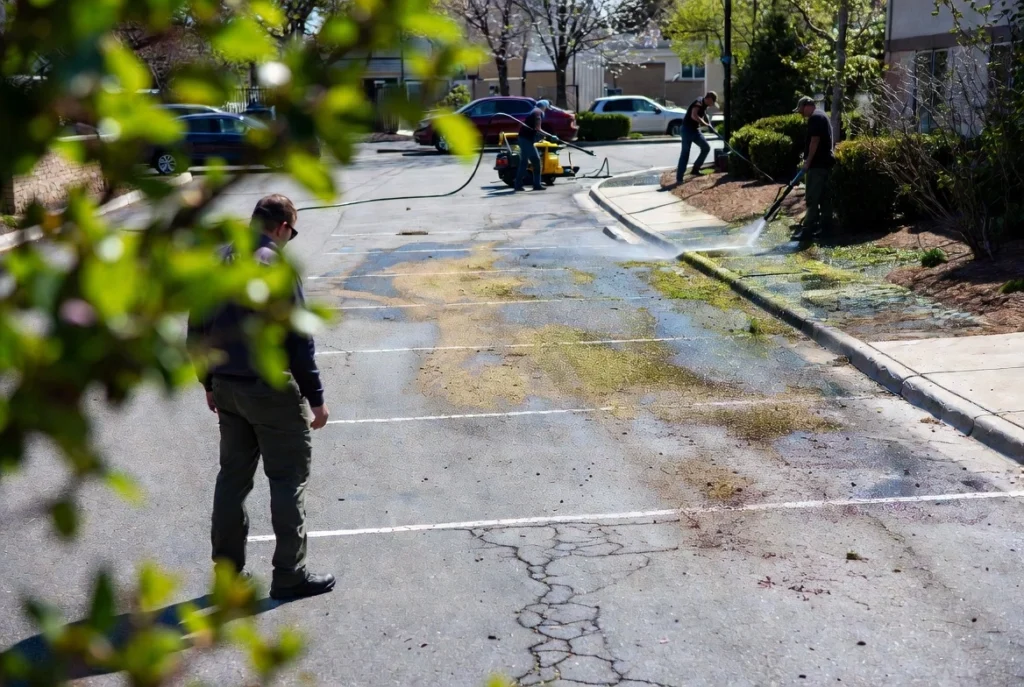
Spring: Recovery & Preparation
Spring is about recovering from winter damage and preparing for the busy summer months. Focus on cleaning, inspection, and repair.
Exterior & Parking Areas
- Parking lot inspection – Check for cracks, potholes, and drainage issues from winter freeze-thaw cycles
- Parking lot sweeping – Remove winter debris, sand, and salt residue
- Pressure washing – Clean sidewalks, building exteriors, and parking structures (essential for pollen removal in the Carolinas)
- Line striping assessment – Check if parking lines, fire lanes, and ADA markings need refreshing
- Storm drain cleaning – Clear debris before spring rains
- Pothole repair – Address any damage before it worsens
- Signage inspection – Replace faded or damaged signs
Landscaping
- Spring cleanup – Remove dead plants, debris, and winter mulch
- Mulch refresh – Apply fresh mulch to beds
- Lawn aeration – Improve soil health after winter compaction
- Irrigation startup – Activate and test sprinkler systems
- Tree and shrub pruning – Shape plants before summer growth
- Fertilization – Apply spring fertilizer for healthy growth
Building Systems
- HVAC inspection – Service air conditioning before summer heat
- Roof inspection – Check for winter damage, clear debris
- Gutter cleaning – Remove leaves and debris from fall/winter
- Window washing – Remove pollen and winter grime
- Exterior painting assessment – Note areas needing touch-up
Charlotte-Specific Spring Note
Pollen season in Charlotte (March-May) deposits heavy yellow residue on all surfaces. Schedule pressure washing after peak pollen to maximize results. Many property managers schedule a second wash in late May.
Summer Maintenance Checklist (June – August)
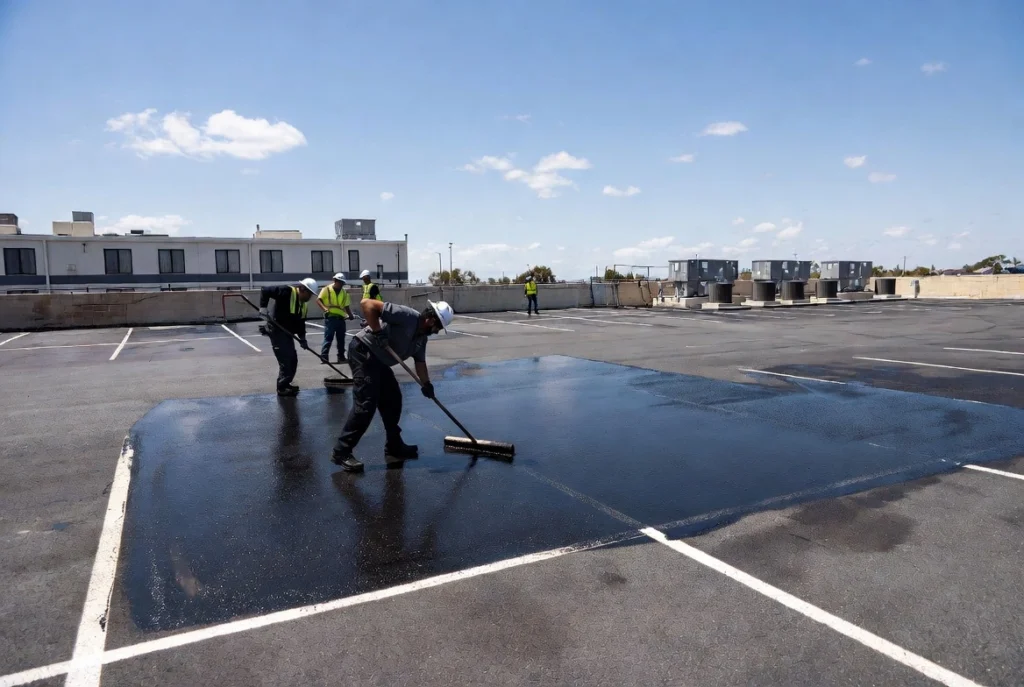
Summer: Maintenance & Protection
Summer is about maintaining what you cleaned in spring and protecting surfaces from heat stress and storms. Focus on consistency and quick storm response.
Exterior & Parking Areas
- Regular sweeping schedule – Weekly or bi-weekly sweeping to maintain appearance
- Asphalt sealcoating – Best done in warm, dry weather (ideal: 50°F+ for 24 hours)
- Crack sealing – Prevent water intrusion before fall rains
- Storm debris cleanup – Quick response after summer storms
- Pressure washing touch-ups – Address high-traffic areas
- Dumpster area cleaning – Control odors in summer heat
Landscaping
- Regular mowing – Weekly during peak growth season
- Irrigation monitoring – Adjust for drought conditions, check for leaks
- Weed control – Stay ahead of summer weeds
- Pest management – Monitor for damaging insects
- Tree inspection – Check for dead limbs before hurricane season
- Flower bed maintenance – Replace spent annuals, deadhead perennials
Building Systems
- HVAC filter changes – Monthly during heavy use season
- Cooling system monitoring – Check for efficiency issues
- Interior pest control – Summer increases pest activity
- Emergency lighting test – Verify all systems function
Hurricane Season Reminder
Hurricane season runs June 1 – November 30. Ensure you have an emergency response plan and a vendor who offers 24/7 storm cleanup services. Dead tree limbs should be removed before peak storm season.
Fall Maintenance Checklist (September – November)
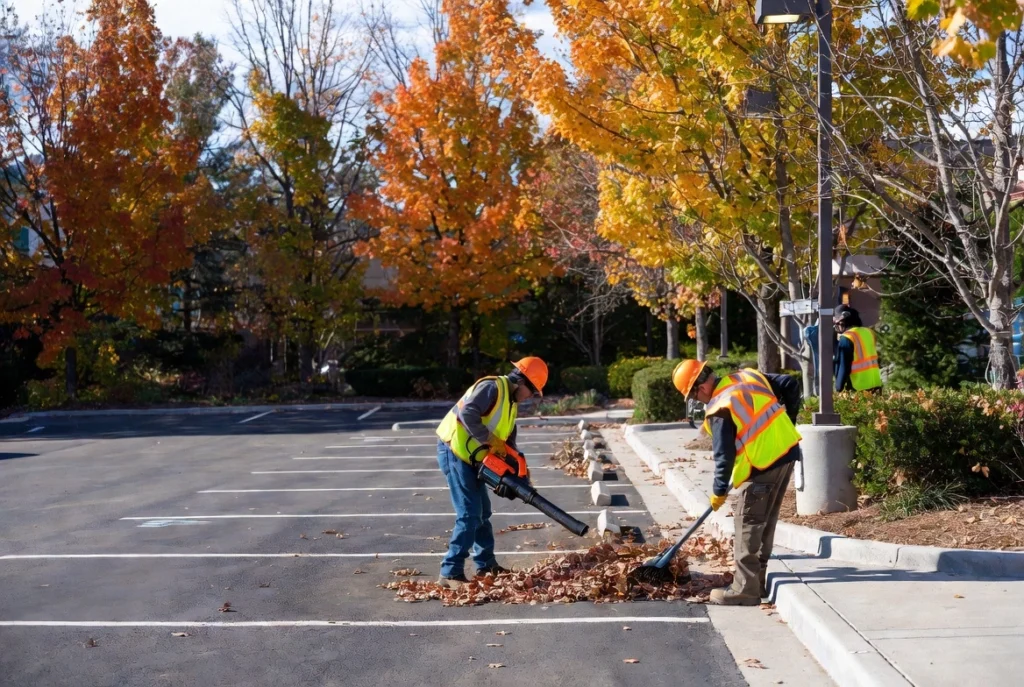
Fall: Winterization & Preparation
Fall is critical for preparing your property for winter. Focus on leaf management, winterization, and completing outdoor projects before cold weather.
Exterior & Parking Areas
- Leaf removal – Regular sweeping to prevent staining and drain clogs
- Final sealcoating – Complete before temperatures drop below 50°F
- Parking lot striping – Refresh lines while weather permits
- Storm drain inspection – Ensure clear flow before winter
- Exterior lighting check – Verify all lights work as days shorten
- Snow/ice contracts – Finalize winter weather response agreements
Landscaping
- Fall leaf cleanup – Multiple cleanups as leaves drop
- Irrigation winterization – Blow out lines before first freeze
- Fall fertilization – Strengthen turf for winter
- Shrub pruning – Shape before dormancy
- Mulch top-off – Protect plant roots from cold
- Annual removal – Clear spent summer plants
Building Systems
- Heating system inspection – Service furnaces and boilers before winter
- Gutter cleaning – Clear fall leaves before winter ice
- Roof inspection – Address issues before winter weather
- Weather stripping check – Seal gaps around doors and windows
- Pipe insulation – Protect exposed pipes from freezing
- Generator testing – Ensure backup power is ready
Budget Season Tip
Fall is when most property managers finalize next year’s budgets. Review your maintenance spending and plan for 2026 projects. Consider bundled service agreements for better pricing.
Winter Maintenance Checklist (December – February)
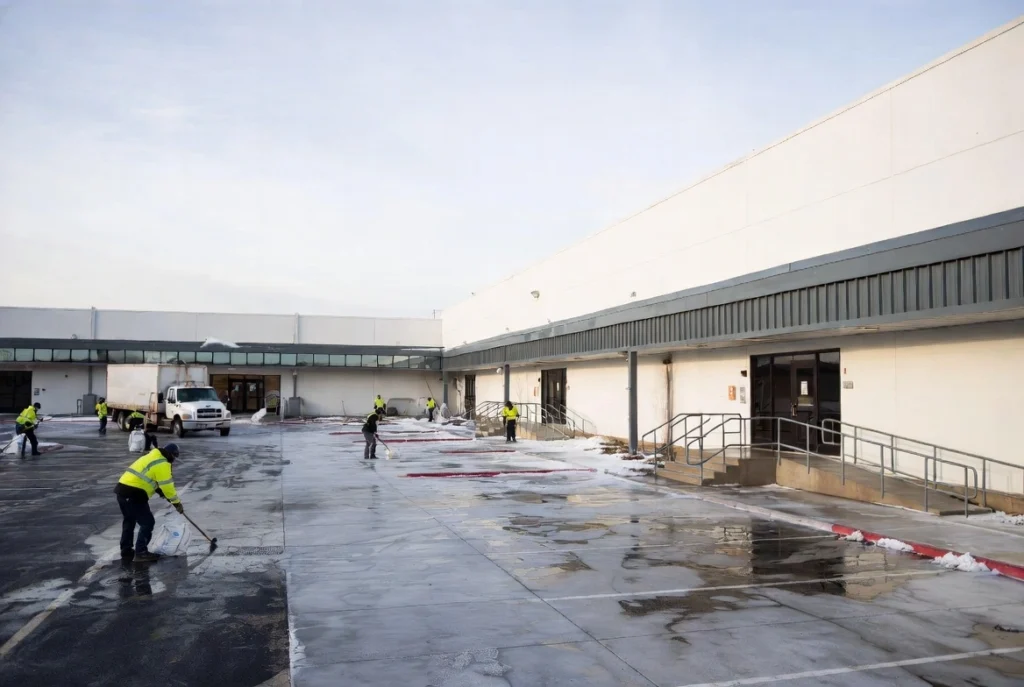
Winter: Response & Protection
Winter in the Carolinas means occasional ice events and cold snaps. Focus on emergency response readiness and protecting building systems.
Exterior & Parking Areas
- Snow and ice response – Have 24/7 response plan in place
- Pre-treatment – Apply ice melt before predicted storms
- Salt/sand application – Clear walkways and parking areas
- Post-storm sweeping – Remove sand and debris after events
- Pothole monitoring – Mark and address freeze-thaw damage
- Ice dam prevention – Clear roof edges if ice builds up
Landscaping
- Winter pruning – Prune dormant trees and shrubs
- Hardscape inspection – Check for frost heave damage
- Salt damage monitoring – Protect plants near treated areas
- Winter color installation – Plant pansies and ornamental kale
Building Systems
- Heating system monitoring – Ensure consistent operation
- Frozen pipe prevention – Monitor vulnerable areas during cold snaps
- Emergency supply check – Stock ice melt, shovels, generators
- Interior inspections – Check for drafts, moisture issues
- Year-end audit – Review all maintenance completed
Charlotte Winter Weather Facts
Charlotte typically sees 4-6 winter weather events per year, mostly ice rather than snow. Having a responsive vendor with pre-treatment capabilities is essential – ice events often have short notice.
Annual Maintenance Tasks
Some maintenance items should be scheduled annually, regardless of season:
| Task | Frequency | Best Season |
|---|---|---|
| Parking lot sealcoating | Every 2-3 years | Late spring/summer |
| Line striping | Every 18-24 months | Spring or fall |
| Asphalt repairs | As needed, annual inspection | Spring or fall |
| Pressure washing (full property) | 1-2x per year | Late spring, fall |
| HVAC full service | 2x per year | Before season change |
| Roof inspection | 2x per year | Spring & fall |
| Fire safety inspection | Annually | Per local requirements |
| BMP maintenance (stormwater) | Per permit requirements | Year-round |
Creating Your Maintenance Calendar
The most effective property managers create a 12-month maintenance calendar at the start of each year. Here’s how to build yours:
- List all properties – Include square footage, parking lot size, and special features
- Review last year’s issues – What emergency repairs could have been prevented?
- Map seasonal tasks – Use this checklist to schedule services
- Get quotes early – Lock in pricing before busy seasons
- Consider bundling – One vendor for multiple services often means better pricing and coordination
- Build in buffer – Weather delays happen; don’t schedule too tightly
The Cost of Deferred Maintenance
Skipping maintenance to save money often backfires. Consider these real-world examples:
- Parking lot cracks: $0.50-$1.00 per linear foot to seal vs. $3-5 per square foot to repave
- Clogged gutters: $150-300 to clean vs. $5,000+ for water damage repairs
- HVAC filters: $20-50 to replace vs. $500+ for compressor damage
- Storm drain neglect: Preventive cleaning vs. $500+/day stormwater compliance fines
“The best maintenance is the maintenance your tenants never notice – because nothing ever breaks.”
Key Takeaways
- Proactive maintenance costs 3-5x less than reactive repairs
- Each season has specific maintenance priorities based on weather challenges
- Charlotte properties face unique challenges: heavy pollen, ice storms, and stormwater compliance
- Create an annual maintenance calendar and review it quarterly
- Consider bundling services with a single vendor for efficiency and cost savings
Staying ahead of seasonal maintenance isn’t just about keeping your property looking good — it’s about protecting your investment, reducing long-term costs, and avoiding disruptive emergencies. With the right plan and the right partner, you can turn maintenance from a constant headache into a predictable, well-managed process. If you’re ready to simplify your property maintenance and ensure nothing falls through the cracks, reach out to our team today for a customized maintenance plan and a free property assessment. Keep your properties running smoothly all year long with Carolina Sweepers.


No Comments yet!